Sudoku — Easy
Free printable easy sudoku puzzles as PDFs with answer pages. Standard 9x9 grids solvable by scanning alone. No sign-up, no email.
⬇ Download all 10 as one PDF — free, no sign-upAn easy sudoku is one you can finish without ever writing a pencil mark. These 9x9 grids are built so that at every stage there is at least one cell you can solve by simple scanning — pick a number, rule out the rows, columns and boxes that already contain it, and see where it is forced. No candidate lists, no chains, no techniques with names. That makes them the right sheets for someone returning to sudoku after a break, or for a solver who wants ten quiet minutes rather than a fight.
Standard 9x9 sudoku grids with 3x3 boxes marked by heavier rules, one puzzle per page. Given digits are printed in a weight clearly distinct from anything you write, and cells are large enough for a comfortable digit without pencil marks. Every puzzle has an answer page with the completed grid. Black and white on US Letter, one puzzle per sheet.
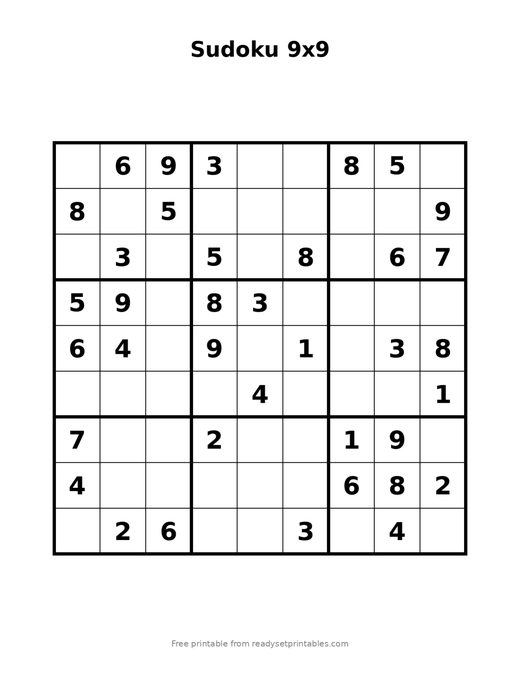 Sudoku 9x9 Easy 01Download PDF ↓
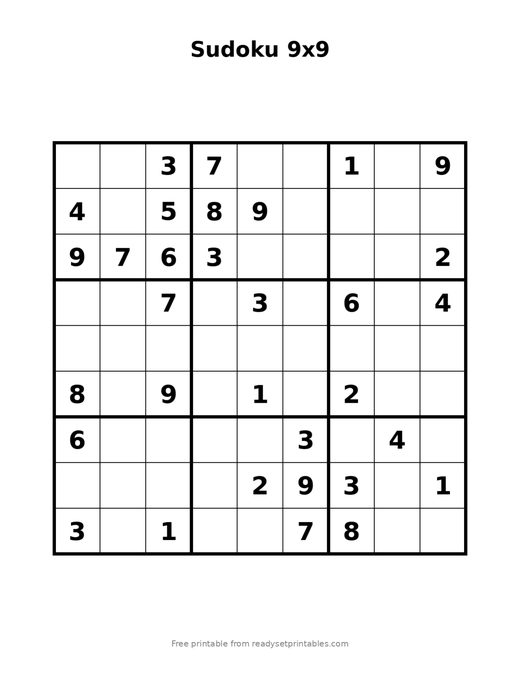 Sudoku 9x9 Easy 02Download PDF ↓
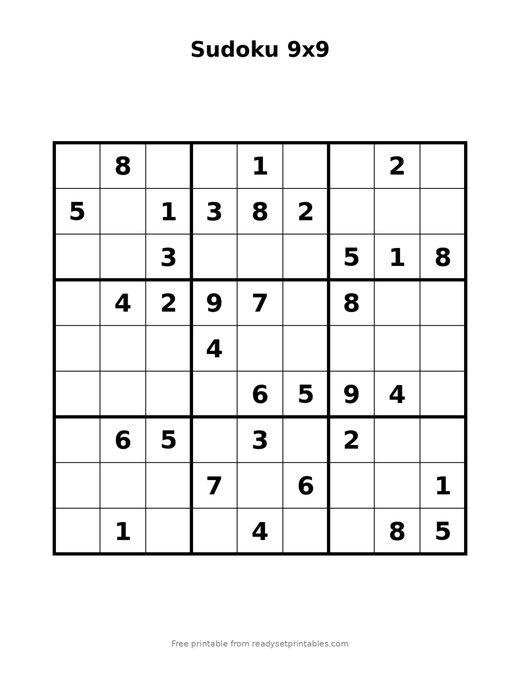 Sudoku 9x9 Easy 03Download PDF ↓
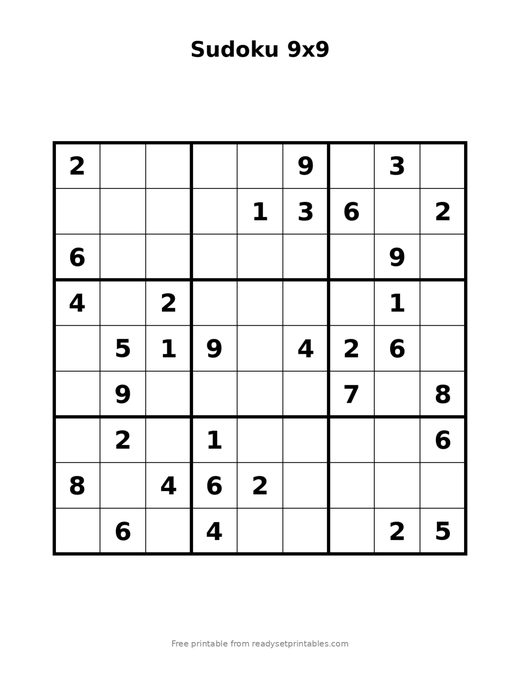 Sudoku 9x9 Easy 04Download PDF ↓
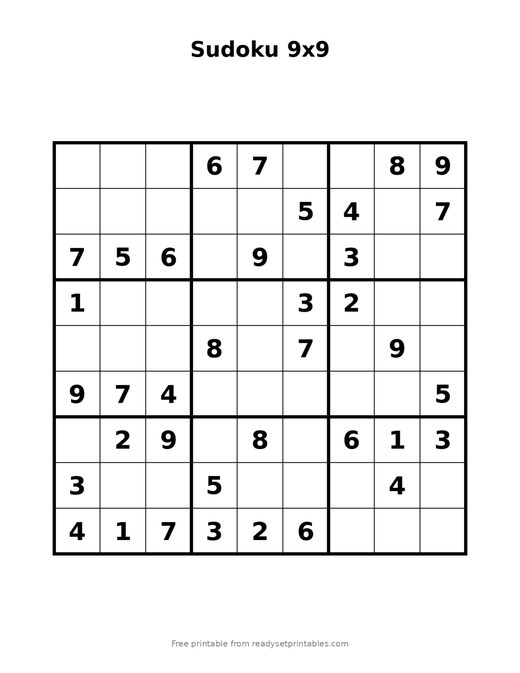 Sudoku 9x9 Easy 05Download PDF ↓
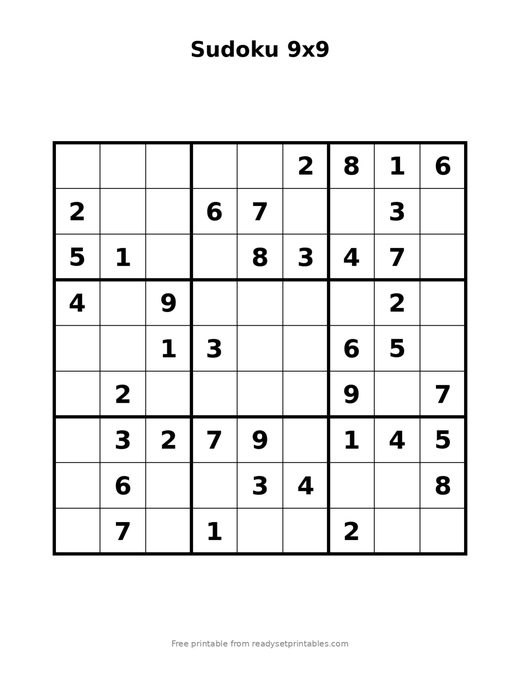 Sudoku 9x9 Easy 06Download PDF ↓
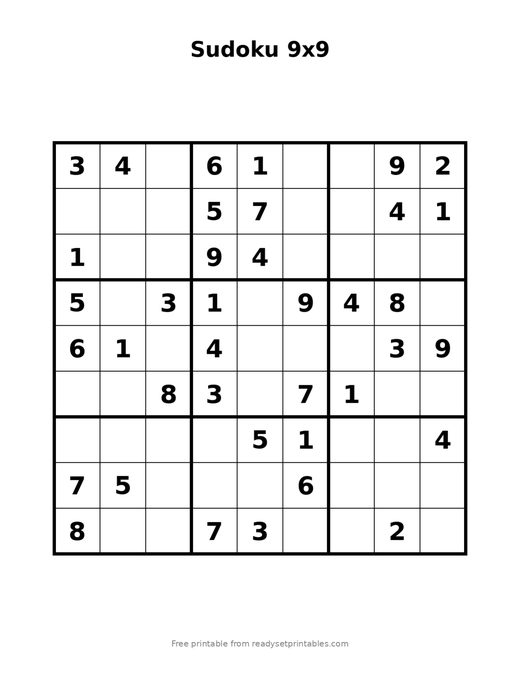 Sudoku 9x9 Easy 07Download PDF ↓
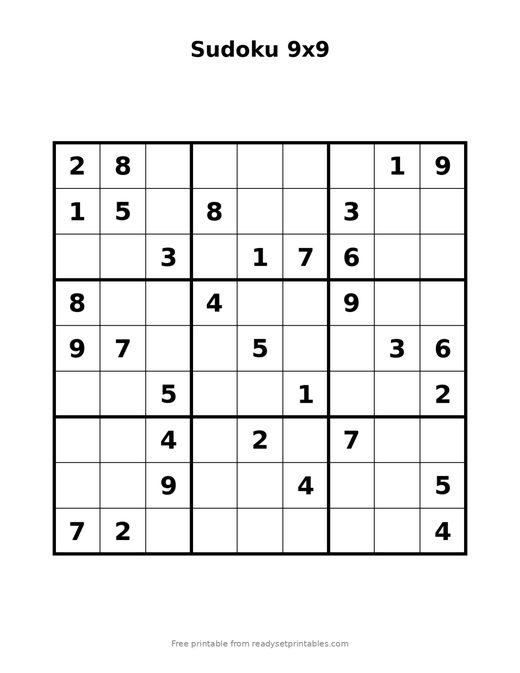 Sudoku 9x9 Easy 08Download PDF ↓
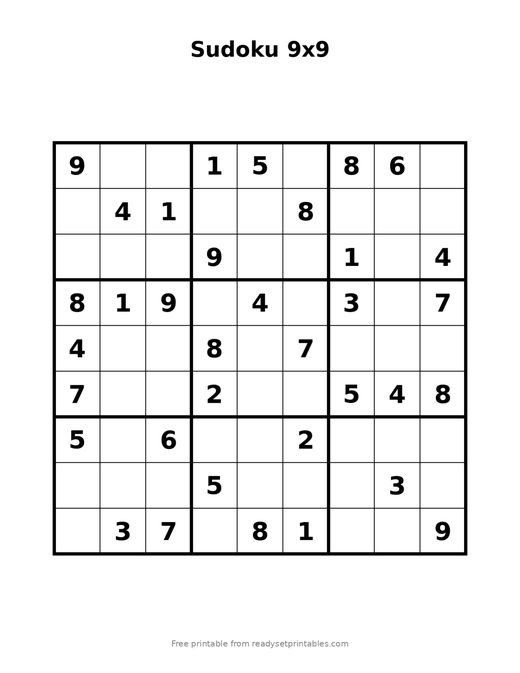 Sudoku 9x9 Easy 09Download PDF ↓
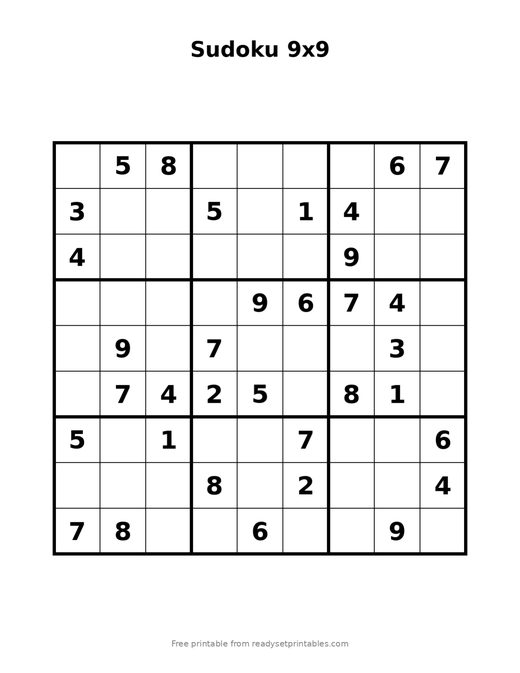 Sudoku 9x9 Easy 10Download PDF ↓