Sudoku — Hard
Free printable hard sudoku puzzles as PDFs with answer pages. Full candidate marking required, no guessing needed. No sign-up.
⬇ Download all 10 as one PDF — free, no sign-upHard sudoku is a bookkeeping puzzle. You will mark candidates in every empty cell before you place your third digit, and most of the solve is pruning that map rather than filling cells — a naked pair here, a pointing set there, each one removing possibilities until something is finally forced. The pleasure is in the pruning, not the writing. If you find these frustrating rather than absorbing, the medium sheets are more likely to give you a good twenty minutes.
One hard 9x9 sudoku per page with cells sized deliberately generously, because full candidate marking needs room for up to nine small digits. Box divisions are printed heavily enough to stay visible under a grid full of pencil marks. Each puzzle has an answer page. Black and white on US Letter, one puzzle per sheet.
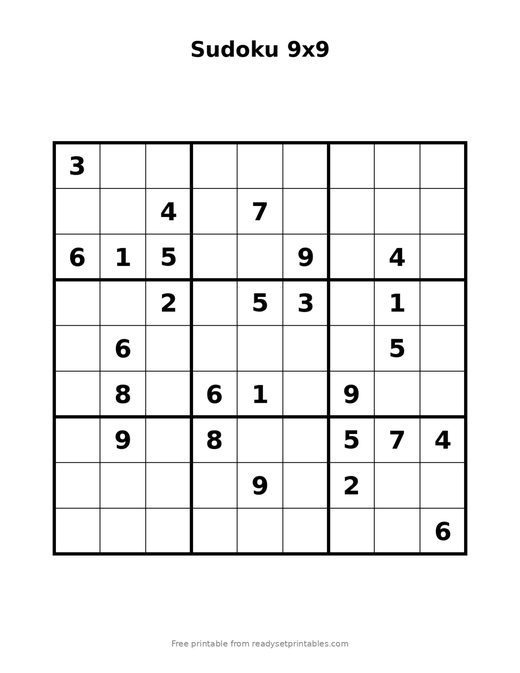 Sudoku 9x9 Hard 01Download PDF ↓
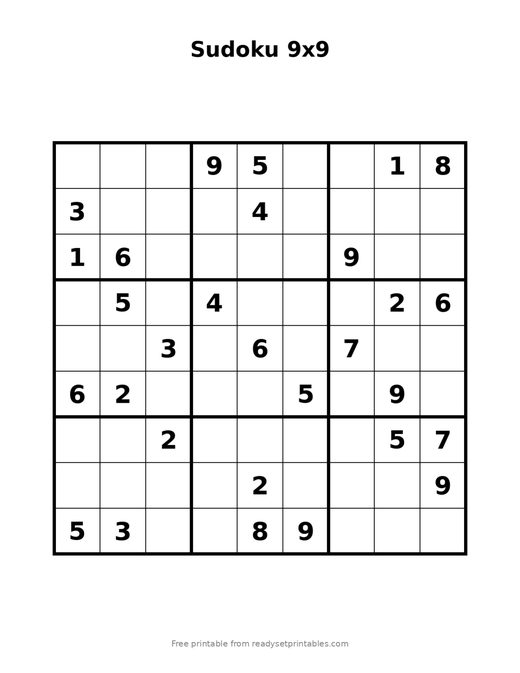 Sudoku 9x9 Hard 02Download PDF ↓
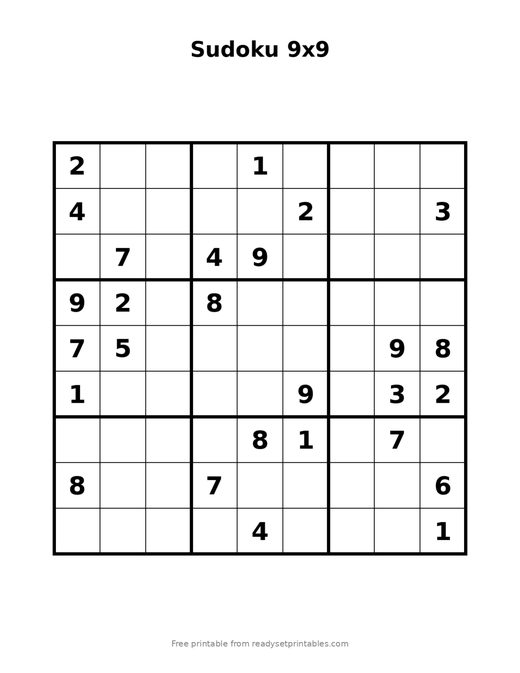 Sudoku 9x9 Hard 03Download PDF ↓
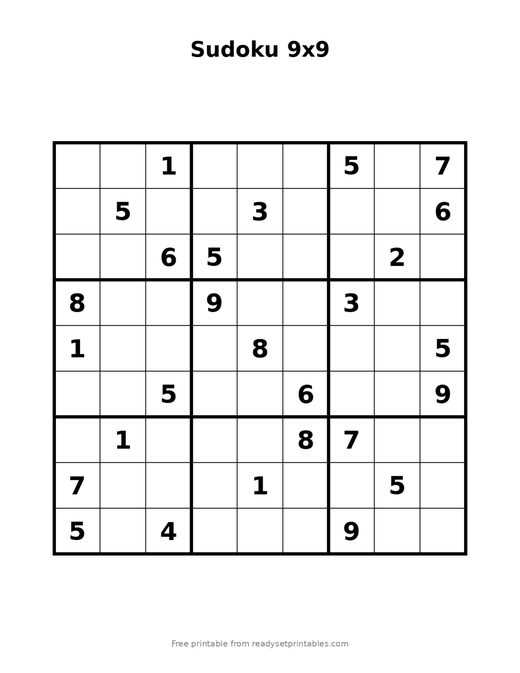 Sudoku 9x9 Hard 04Download PDF ↓
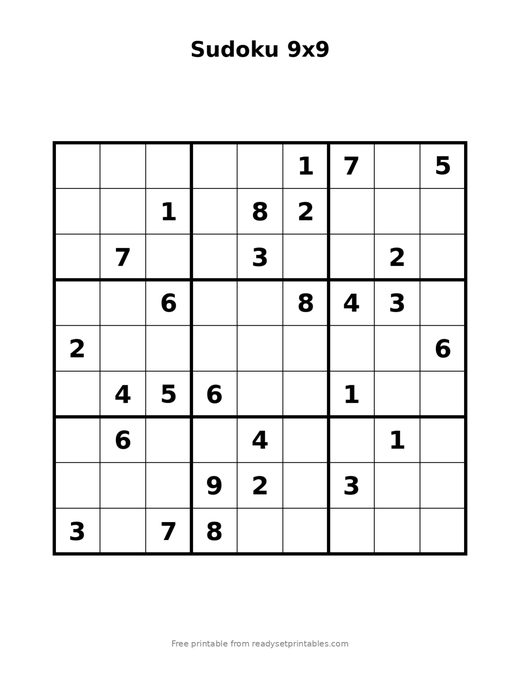 Sudoku 9x9 Hard 05Download PDF ↓
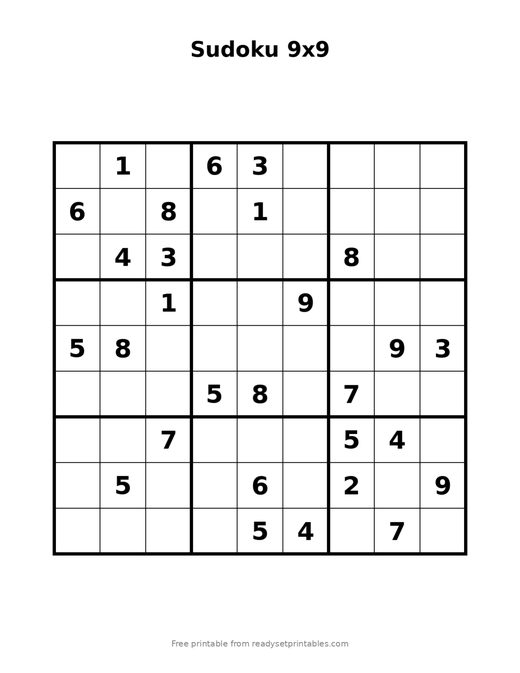 Sudoku 9x9 Hard 06Download PDF ↓
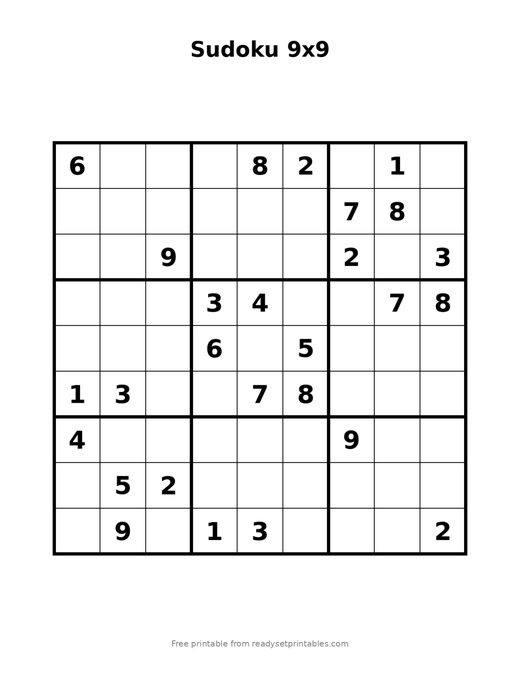 Sudoku 9x9 Hard 07Download PDF ↓
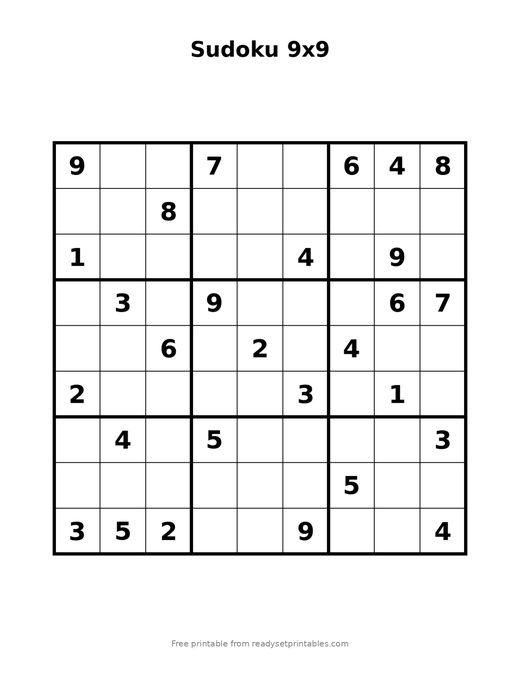 Sudoku 9x9 Hard 08Download PDF ↓
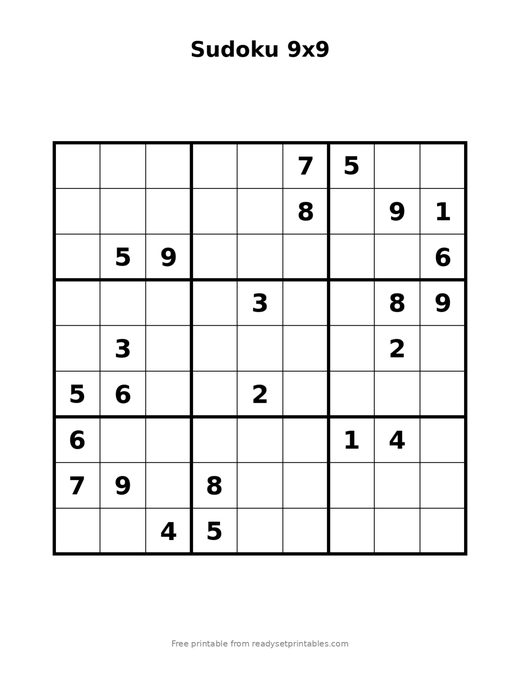 Sudoku 9x9 Hard 09Download PDF ↓
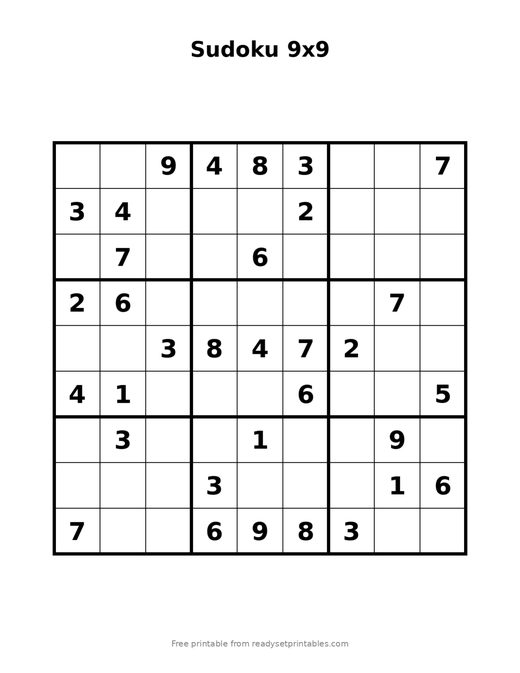 Sudoku 9x9 Hard 10Download PDF ↓